Winter Storm Grips NYC: Flight Chaos, School Closures & Preparedness
New York City, a metropolis accustomed to all four seasons, recently found itself firmly in the grip of a formidable winter storm, prompting officials to declare an
emergencia de nieve en Nueva York. This powerful weather event unleashed heavy snowfall, icy conditions, and dangerous wind gusts across the tri-state area, throwing daily life into disarray. From widespread flight cancellations at major airports to unprecedented school closures and urgent warnings about extreme cold, the storm underscored the critical importance of preparedness and community resilience. As residents braced for impact and navigated the challenging conditions, authorities worked tirelessly to ensure safety and mitigate the storm's extensive reach.
New York Gears Up: State of Emergency Declared
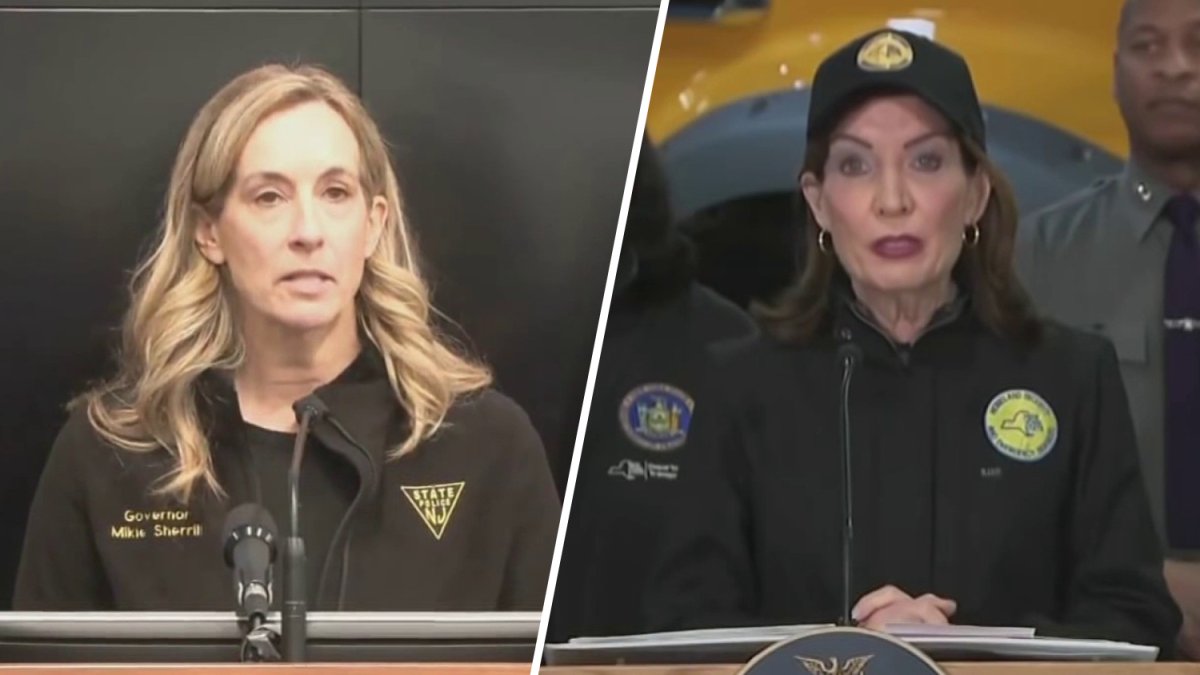
The severity of the impending winter storm prompted Governor Kathy Hochul to declare a State of Emergency for New York, emphasizing the need for swift action and caution. Addressing the public during a press conference, Governor Hochul stressed, "New Yorkers are accustomed to winter weather, but we must not take this weekend's forecast lightly." This declaration was crucial, as it empowered local leaders with the necessary tools and resources to safeguard their communities effectively.
The National Weather Service issued a Winter Storm Warning, which remained in effect for New York City and surrounding areas from Saturday night through Monday afternoon. Forecasters predicted significant snowfall, with accumulations estimated between 6 to 12 inches (15 to 30 centimeters), and localized areas potentially receiving more than a foot of snow. Compounding the challenge, the forecast also warned of the possibility of precipitation mixing with sleet and freezing rain, particularly closer to the coast, which could create treacherous icy patches.
Governor Hochul's warnings extended beyond just snow accumulation, highlighting the grave dangers of the extreme cold. "Extreme cold can be deadly, absolutely deadly," she cautioned, urging residents to take the threat seriously. Her personal advice was unequivocal: "Try not to go outside as much as possible." This call to stay indoors came with practical guidance on how to prepare: stocking up on essentials like food, water, pet food, baby food, and flashlight batteries. The goal was to minimize the need for residents to venture out into the perilous cold, whether on foot or by car, ensuring they had everything necessary to weather the storm safely from home.
The primary impacts of this winter storm were keenly felt on the region's transportation infrastructure. Roads, especially bridges and overpasses, were expected to become dangerously slippery. Visibility was projected to drop to less than a quarter-mile (400 meters) during periods of heavy snowfall, making driving exceptionally hazardous. Governor Hochul reiterated her plea on social media, urging, "Please do not put yourself at risk this weekend. Take steps to prepare now: Monitor local forecasts. Stock up on essentials, like food and medicine. Make sure your car has fuel." The message was clear: proactive preparation was key to surviving the storm's brutal onslaught.
Navigating the Chaos: Travel Bans and School Shutdowns
As the storm intensified, unleashing heavy snowfall rates of up to 3 inches per hour and wind gusts exceeding 60 mph across New York, Long Island, and New Jersey, authorities moved quickly to implement stricter measures. City officials in New York City, including the Mayor's office, announced a comprehensive travel ban, prohibiting non-essential travel from Sunday evening at 9 p.m. until Monday at noon. This drastic step was taken amidst blizzard conditions that threatened to dump up to 24 inches of snow on the city, further highlighting the severity of the
emergencia de nieve en Nueva York.
The impact on daily life was immediate and widespread. One of the most significant announcements was the suspension of all New York City public school classes on Monday. This marked the first full snow day for city schools since 2019, a rare occurrence that underscored the exceptional nature of this winter storm. Parents and guardians were advised to make alternative arrangements, while students enjoyed an unexpected day off, albeit one accompanied by severe weather warnings.
Air travel, a vital artery for the region, suffered immensely. Major airports serving the tri-state area – JFK, Newark, and LaGuardia – experienced extensive disruption. Over 1,600 flights were canceled, and more than 200 faced significant delays due to the powerful winter storm. Passengers were advised to check with their airlines for the latest updates before heading to the airports, as conditions deteriorated rapidly with snowfall reaching up to 22 inches and wind gusts hitting 55 mph. The combined effects of heavy snow, strong winds, and low visibility made air travel virtually impossible, leaving thousands stranded and travel plans in tatters. For more details on the severe warnings and potential snow accumulation, see our related article:
NYC Blizzard Threat: Up to 24 Inches of Snow, Deadly Cold Warnings.
Essential Preparedness: Staying Safe in a Winter Wonderland
While the storm brought significant disruption, it also served as a critical reminder of the importance of individual and community preparedness. Beyond stocking up on non-perishable food, water, and essential medications, several other measures proved crucial for navigating the extreme conditions safely.
*
Power Outage Readiness: Residents were urged to charge all electronic devices, keep extra batteries for flashlights and radios, and have alternative light sources like battery-powered lanterns. In case of a power outage, it's vital to stay warm by layering clothing and closing off unused rooms.
*
Heating Safety: With temperatures plummeting, the risk of carbon monoxide poisoning from improperly vented generators or alternative heating sources increased. Authorities advised ensuring proper ventilation and having working carbon monoxide detectors. Never use a gas stove or oven for heat.
*
Vehicle Preparedness: For those who absolutely needed to travel before the travel ban, ensuring vehicles were fully fueled was paramount. An emergency kit in the car, including blankets, a shovel, sand or kitty litter for traction, and a fully charged phone, could be life-saving.
*
Home Protection: Insulating pipes to prevent freezing and knowing how to shut off water mains in an emergency were important tips for homeowners. Clearing snow from exhaust vents for furnaces and water heaters was also critical to prevent dangerous carbon monoxide buildup.
*
Stay Informed: Regularly monitoring local weather forecasts and official advisories from city and state authorities remained crucial throughout the storm. Information about warming centers, emergency services, and road conditions was continuously updated.
The warnings about slippery roads and reduced visibility were not to be underestimated. Even after the heaviest snow passed, the combination of extreme cold and residual moisture could lead to dangerous black ice, making walking and driving perilous. Pedestrians were advised to wear appropriate footwear with good traction and take small, deliberate steps. Drivers were reminded to clear their entire vehicle of snow and ice, slow down, increase following distances, and avoid sudden braking or steering movements.
Beyond the Blizzard: Community Response and Resilience
Despite the daunting warnings and serious travel restrictions, the spirit of New Yorkers shone through. After several days of intense forecasts and official press conferences, the storm arrived, painting the city in a thick blanket of white. While it was certainly not a "simple" blizzard, it brought enough snow and wind to transform the urban landscape into a winter wonderland for some.
Amidst the serious declarations and public safety warnings, there were moments that captured the unique resilience and spirit of the city. As children, and even adults, grabbed sleds to launch themselves down snow-covered hills, some sought refuge in open bars, enjoying the company of friends. Legendary snowboarder Shaun White was even spotted doing acrobatic stunts in Central Park, illustrating how some found joy and excitement even amidst the disruption.
Yet, this lighter side was always juxtaposed with the ongoing efforts of the city's dedicated workforce. City officials spoke to the media, extending high praise to the tireless sanitation and emergency employees who worked around the clock. These frontline workers were instrumental in plowing roads, responding to emergencies, and ensuring public safety, often battling the harshest conditions themselves. Their efforts were critical in managing the impact of the
emergencia de nieve en Nueva York and beginning the long process of recovery and cleanup.
The storm served as a powerful testament to the multifaceted nature of emergency response – a blend of official declarations, practical advice, critical infrastructure management, and the indomitable human spirit that finds ways to cope, celebrate, and support one another even in the face of nature's fury. For a comprehensive overview of the official declarations, travel restrictions, and safety measures implemented, refer to our article:
New York Declares Emergency: Travel Bans, Closures & Safety.
Conclusion
The recent winter storm that swept through New York City was a significant event, prompting a state of emergency, widespread travel disruptions, and critical safety warnings. From grounded flights and closed schools to treacherous road conditions and the omnipresent threat of deadly cold, the storm tested the city's infrastructure and the resolve of its residents. While the immediate chaos was challenging, the swift actions of Governor Hochul and city officials, coupled with the resilience and preparedness of New Yorkers, played a crucial role in mitigating its worst effects. As the snow recedes and the city begins its inevitable cleanup, the storm stands as a stark reminder of nature's power and the enduring importance of vigilance, community support, and proactive measures in the face of severe weather events.